
low emissivity glass
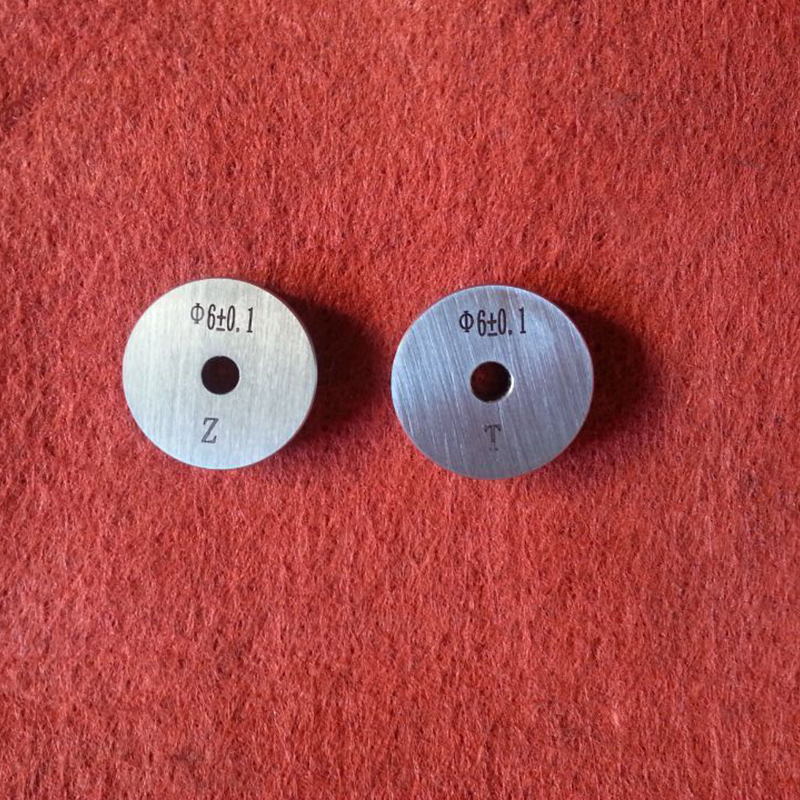
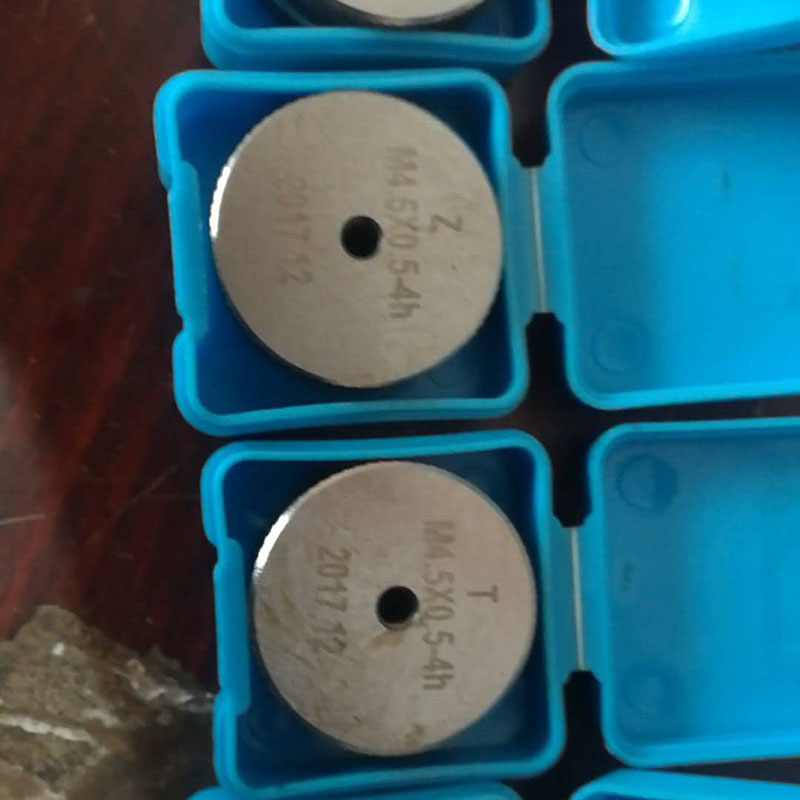
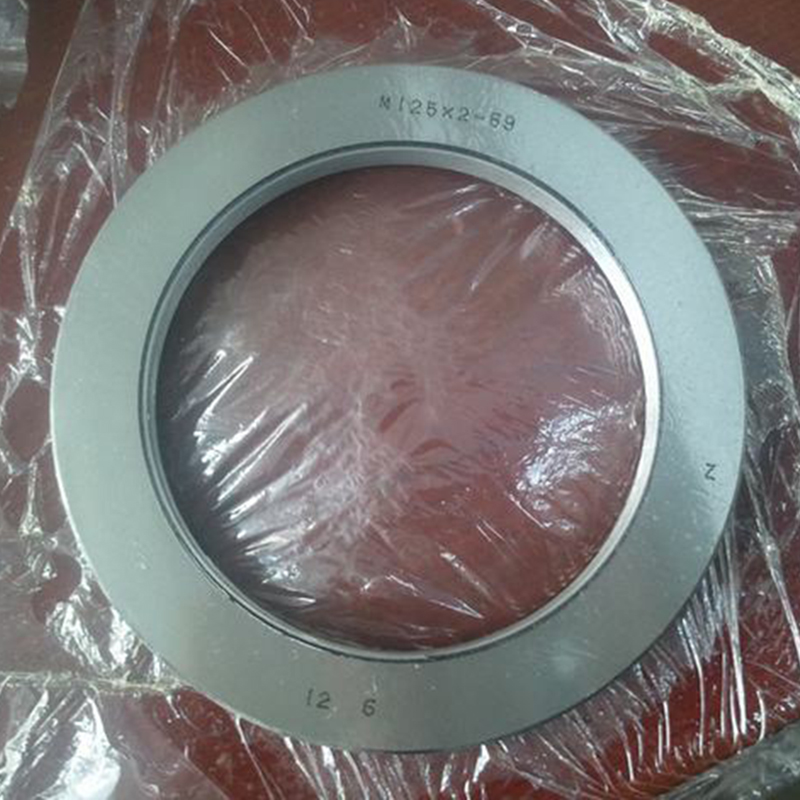
Go/No-Go Pin Gauge A Vital Tool for Quality Control In the world of manufacturing and quality control, precision is paramount. Engineers and quality assurance professionals are constantly in search of reliable methods to ensure that components meet their specified dimensions and tolerances. One of the most effective tools in this regard is the Go/No-Go pin gauge. This simple yet powerful instrument plays a crucial role in verifying the dimensional integrity of manufactured parts. Understanding Go/No-Go Pin Gauges A Go/No-Go pin gauge is a type of measuring tool used to determine if an object fits into a specified tolerance range. Essentially, it consists of two pins the Go pin and the No-Go pin. The Go pin measures the minimum acceptable dimension, while the No-Go pin measures the maximum allowable size. When a part is inserted into these pins, the outcome determines whether the part is acceptable or not. The fundamental principle behind the Go/No-Go gauge is to simplify the inspection process. Instead of relying on complex measuring instruments, operators can quickly and easily use these gauges to ensure that components meet critical specifications. This is especially important in industries such as aerospace, automotive, and electronics, where even the smallest deviation can result in significant failures. How It Works Using a Go/No-Go pin gauge is straightforward. The operator first inserts the Go pin into a hole or feature of the component being measured. If the pin fits easily and without force, the part passes the Go test, indicating that it meets the minimum requirement. Next, the operator checks the No-Go pin. If the No-Go pin fits into the same hole, the part fails the test, indicating it has exceeded the maximum allowable dimension. This binary method of measurement—pass or fail—makes Go/No-Go gauges extremely efficient. It eliminates the need for intricate calculations and reduces human error, allowing for a streamlined quality assurance process. go no go pin gauge Applications in Industry Go/No-Go pin gauges are widely used across various industries. In the automotive sector, they play a critical role in ensuring that engine parts, suspension systems, and safety features meet exacting standards. In aerospace, where safety is non-negotiable, these gauges help verify that components meet stringent regulatory requirements. Similarly, in the electronics industry, pin gauges ensure that connections and interfaces meet compatibility standards. Beyond these applications, Go/No-Go gauges are invaluable in any situation where dimensional conformity is critical. They are commonly used in machining, fabrication, and assembly processes, making them essential pieces of equipment for quality control departments. Advantages and Limitations One of the main advantages of Go/No-Go pin gauges is their simplicity. They are easy to use and require minimal training, allowing operators to quickly gain proficiency. They are also cost-effective compared to more sophisticated measuring devices. Additionally, the binary nature of the results allows manufacturers to implement quality checks swiftly without extensive data analysis. However, there are limitations to consider. Go/No-Go gauges do not provide specific measurements; they can only indicate whether parts fall within an acceptable range. Therefore, while they are excellent for basic quality checks, they may need to be used alongside more precise measuring tools for comprehensive inspection in critical applications. Conclusion In conclusion, Go/No-Go pin gauges are indispensable tools in the realm of manufacturing and quality control. They provide a practical solution for verifying dimensional accuracy, ensuring that components meet the required specifications. While they have limitations in terms of measurement precision, their ease of use and efficiency make them a staple in various industries. As manufacturing processes continue to evolve, the importance of reliable quality assurance tools like Go/No-Go pin gauges cannot be overstated. Maintaining high standards of quality not only reduces waste and rework but also ensures the safety and reliability of end products, ultimately benefiting both manufacturers and consumers alike.
about
low emissivity glass
Gate Valve 2-5 Tommer En Nøkkelkomponent i Vann- og Prosessteknikk Innledning Gate ventiler er essensielle komponenter i mange vann- og prosessystemer. Blant de forskjellige typene ventiler som er tilgjengelige, har gate ventiler en spesiell plass på grunn av deres evne til å håndtere store strømmer og trykk. I denne artikkelen vil vi fokusere på gate ventiler med en størrelse på 2 til 5 tommer, deres egenskaper, bruksområder og viktigheten av riktig valg og vedlikehold. Hva er en Gate Ventil? En gate ventil er en type ventil som brukes til å starte eller stoppe væskestrømmen. Den opererer ved å heve eller senke en port, som effektivt åpner eller stenger strømmen. Gate ventiler er spesielt nyttige i situasjoner der det er behov for minimal trykkfall og hvor strømmen må reguleres i stor skala. Størrelse og Dimensjoner Gate ventiler 2 til 5 tommer er vanligvis brukt i applikasjoner der pumpekapasiteten krever moderate til store rørdimensjoner. Når man velger en ventil, er det viktig å vurdere både rørdiameter og den spesifikke bruken av ventilen. En 2-tommers ventil kan være ideell for små applikasjoner, mens en 5-tommers ventil er mer egnet for industrielle systemer med høyere væskestrømmer. Materialvalg gate valve 2 5 inch Materialene som brukes i gate ventiler kan variere avhengig av bruksområde. Vanlige materialer inkluderer rustfritt stål, karbonstål og ulike typer plast. Rustfritt stål er kjent for sin korrosjonsbestandighet, noe som gjør det til et populært valg for vannbehandling og kjemiske prosesser. Valget av materiale påvirker ikke bare ventilets holdbarhet, men også dets evne til å motstå høyere trykk og temperaturer. Applikasjoner Gate ventiler brukes i en rekke applikasjoner, inkludert 1. Vannforsyningssystemer De er essensielle i distribusjon av drikkevann for å regulere strømmen til ulike områder. 2. Industrielle prosesser Gate ventiler er ofte brukt i kjemiske anlegg og petrokjemisk industri for å kontrollere strømmen av væsker og gasser. 3. Avløpssystemer De spiller en viktig rolle i avløpsrør og kan brukes til å isolere områder for vedlikehold. Installasjon og Vedlikehold For å sikre optimal funksjonalitet av gate ventiler, er riktig installasjon og vedlikehold avgjørende. Ventilene bør installeres i henhold til produsentens spesifikasjoner, og utskifting bør planlegges regelmessig for å unngå driftsstans og kostbare reparasjoner. Det er også viktig å overvåke tilstanden til ventilen, sjekke for lekkasjer og utføre rutinemessige inspeksjoner. Konklusjon Gate ventiler med en størrelse fra 2 til 5 tommer er avgjørende for effektiv drift av mange vann- og prosessystemer. Valget av riktig ventil, passende materialvalg, og jevnlig vedlikehold kan bidra til å forlenge levetiden til systemene og minimere driftstans. Enten det gjelder små kommunenett eller store industrielle anlegg, har gate ventiler en afgørende rolle i å sikre pålitelig transport av væsker. For alle som er involvert i design, installasjon eller drift av slike systemer, er forståelsen av gate ventiler en viktig del av oppgaven.
-

High quality industrial productsagement

High quality industrial products
View Details -

Meet the diverse needs of customers

Meet the diverse needs of customers
View Details -

Strict quality control

Strict quality control
View Details -

Top raw materials

Top raw materials
View Details -

Trusted supplier

Trusted supplier
View Details
Our application

news and information

Welding Inspection Tools for Accurate Measurement and Quality Assurance
The Importance of Welding Inspection Rulers in Quality Control Welding is a critical process in vari
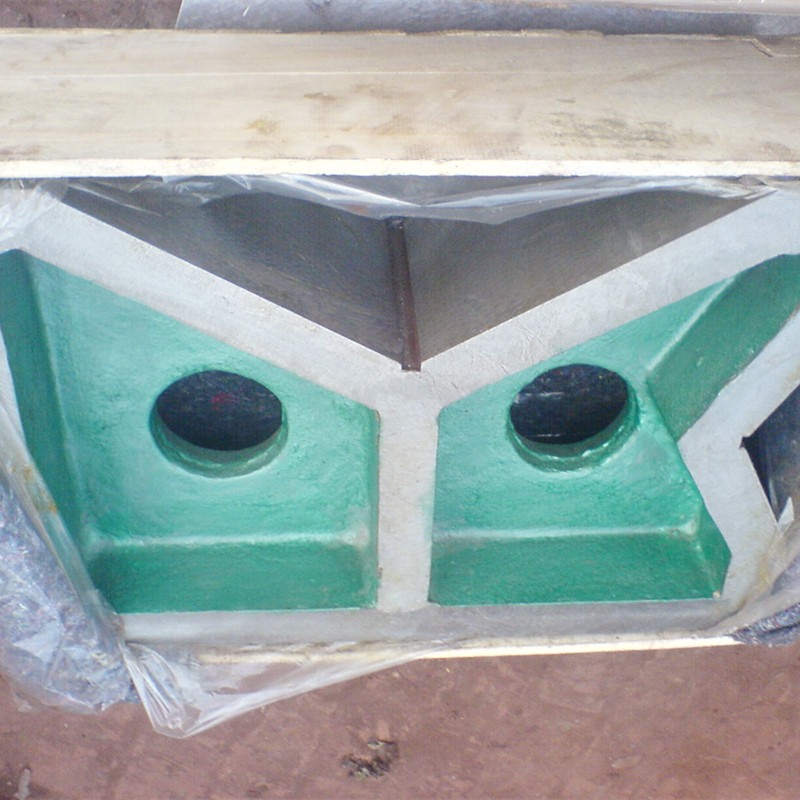
v block design
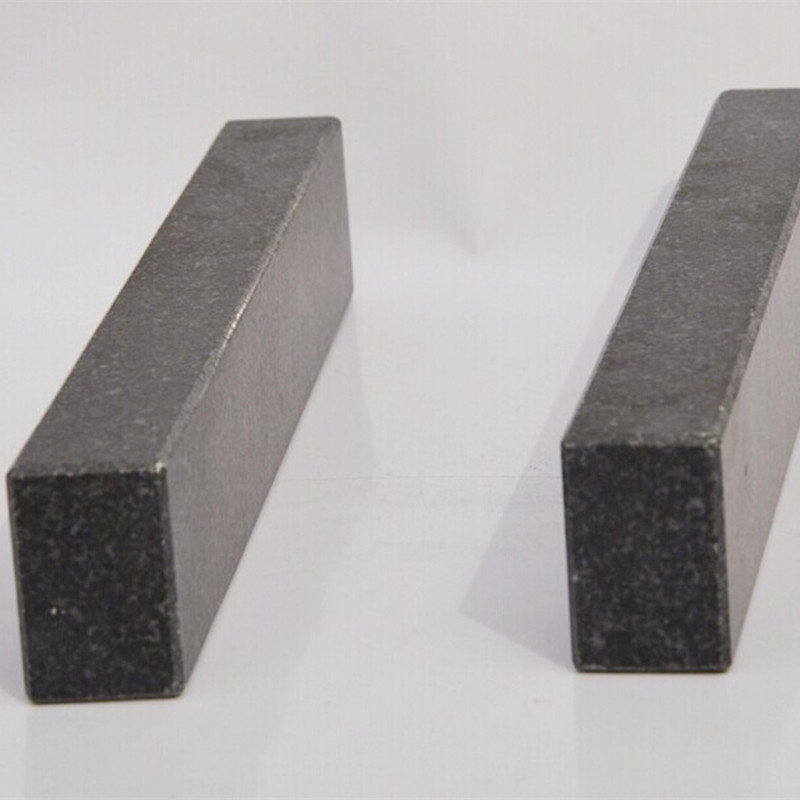
Exploring the V-Block Design A Revolutionary Approach in Architecture In the ever-evolving landscape
Versatile 4x8 Welding Table for Precision Fabrication and Project Efficiency
The Versatility of a 4x8 Welding Table When it comes to metalworking and fabrication, having the rig
 English